
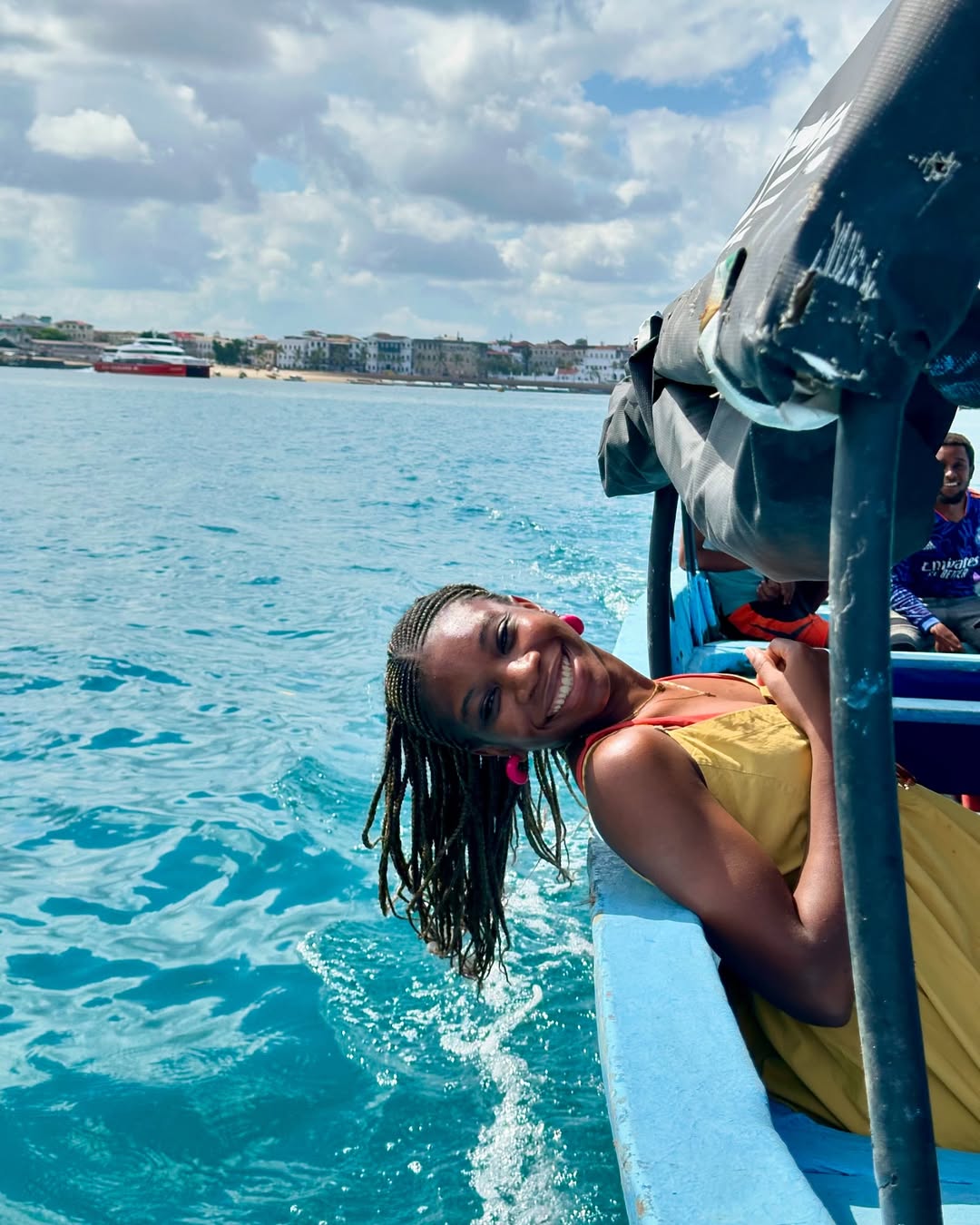
When people ask about the best regions for nomads, I always tell them that the answer is deeply personal. It depends on what you want, what you’re used to, and whether the experience will feel sustainable or draining over time for you.
This is the second part of our ongoing series on slow travel and digital nomading across Africa. In my last piece, I wrote about the reality of remote work in Africa. Not the aesthetics or the highlight reels, but what daily life actually looks like once the novelty wears off. If you haven’t read it already, start here.
This second part builds on that foundation to help you decide what geographical regions to target when you travel.
Before choosing a specific country, it helps to understand how different parts of Africa actually feel to live and work in. Remote work on the continent is not one experience. The rhythm of daily life, the reliability of systems, the role of community, and how work fits into everyday routines change dramatically depending on where you are. Treating Africa as a single “digital nomad destination” is one of the quickest ways to feel frustrated, underprepared, or quietly burnt out.
So in this part of the series, I’m stepping back from country lists and rankings. Instead, I’m breaking the continent into broad regions and describing what each one feels like as a base for remote work. This isn’t about making decisions yet. It’s about orientation. Understanding the terrain before choosing where to land.
West Africa: Familiarity, Culture, and Creative Energy
For many Nigerians, West Africa often feels like the most intuitive starting point. Language, food, humour, and social dynamics carry familiar rhythms, which reduces the emotional load of relocating and makes daily life easier to navigate.
Work here tends to bend around life rather than the other way around. Infrastructure exists, but often less formalised and less centralised. Community forms organically through people rather than institutions. That looseness can feel freeing if you value creativity and flexibility, or destabilising if your work requires strict routines and predictable systems.

There’s also a practical ease to starting here. As part of the ECOWAS region, Nigerians can move across much of West Africa without the immediate pressure of visa applications, often allowing stays of several months depending on the country.
For many Nigerian remote workers, West Africa becomes the baseline. It’s where you start to notice what you need more of, or less of. And for some, that’s the point where a desire for more structure begins to emerge.
East Africa: Structure, Systems, and Stability

East Africa is often the next natural step after West Africa, both geographically and in experiences. Several countries in the region offer visa-on-arrival or relatively straightforward electronic travel authorisations, making short- to medium-term stays easier to navigate than many people expect.
More than access, what stands out is how structured daily life tends to feel. There’s usually a clearer sense of how things work, from internet reliability and co-working culture to city planning, public transportation, and general organisation. Life moves with intention rather than urgency. There’s even a popular phrase, pole pole, which loosely translates to “take it easy.” Along the coast in particular, there’s a noticeable absence of rush.
For many Nigerian remote workers, this is where remote work starts to feel steady. Routine becomes easier to maintain, and workdays feel less like constant problem-solving.
Further south, the experience shifts again, this time toward polish, infrastructure, and lifestyle.
Southern Africa: Infrastructure, Lifestyle, and Contrast

West Africa establishes familiarity and East Africa introduces structure, Southern Africa is where that structure becomes refined. This region feels the most globally familiar in terms of infrastructure. Internet speeds are fast in key cities, co-working spaces are polished, and housing options often resemble what you might find in Europe or Australia rather than elsewhere on the continent.
Work and leisure are more clearly delineated here. Systems tend to function as expected, and everyday logistics require less improvisation once you’re settled. Access to nature is also built into daily life, not treated as a special escape. Mountains, beaches, vineyards, and open space sit alongside urban centres, shaping a lifestyle that balances productivity with rest.
The trade-off is cost and complexity. Southern Africa has some of the most developed infrastructure on the continent and a long-established international presence, which raises both expectations and expenses. Cities like Cape Town consistently rank highly for quality of life, but that polish comes with higher living costs and more demanding visa processes.
There is also a social layer that many Black remote workers notice over time. While the region is diverse, racial and class dynamics can be more visible, particularly in professional and lifestyle spaces that cater heavily to international audiences. This doesn’t define the experience, but it does shape it, and it’s something worth being aware of rather than discovering by surprise.
For Nigerian remote workers, Southern Africa often requires more advance planning, larger budgets, and patience with bureaucracy, especially when it comes to entry and extensions. The process can be frustrating, but once you are through it, daily life tends to feel smooth and predictable.
In return, Southern Africa offers consistency and ease once you’re settled. It suits remote workers who value stability, clear systems, and a comfortable lifestyle, and who are prepared to navigate both the logistical and social realities that come with it.
North Africa: Proximity, Bureaucracy, and Cultural Distance

North Africa occupies a distinct position in the remote work conversation. While geographically African, the experience of living and working here often feels administratively and culturally separate, especially for Nigerians.
On paper, the region is appealing. Internet infrastructure in major cities is generally strong, the cost of living can be relatively affordable, and proximity to Europe makes it attractive for people who move frequently or work across time zones. Cities like Marrakech, Tunis, and Cairo have growing creative and remote work communities, and daily life can feel visually rich and stimulating.
The complexity lies in access and navigation. Visa processes tend to be more formal and less flexible, often requiring advance planning and patience with bureaucracy. Language can also be a barrier, as French or Arabic dominates in many professional and administrative settings. Systems are structured, but not always intuitive, especially if you’re unfamiliar with how they operate.
For Black travelers, North Africa can also come with moments of cultural distance. Racial and national identity can shape interactions in subtle ways, particularly outside cosmopolitan or tourist-facing spaces. This doesn’t define the experience, but it does influence how quickly a place feels comfortable or socially accessible.
North Africa tends to suit remote workers who value infrastructure and location over ease of movement, and who are comfortable navigating formality, paperwork, and cultural differences. For those prepared for it, the region offers depth, history, and strong foundations for work. For others, it may feel heavier than expected.
From here, the experience shifts one final time. Away from major cities and borders, and toward places where slowness becomes the defining feature.
Island Africa: Slowness, Isolation, and Intention

Island destinations force you to slow down, whether you intend to or not. Life moves at a gentler pace, options are fewer, and community takes longer to build. Internet quality can vary significantly depending on where you stay, and everyday conveniences often require more planning and patience.
This environment can be deeply clarifying or quietly isolating. Island living amplifies whatever you bring with you: your discipline, your routines, and your relationship with solitude. Without the distractions of busy cities or constant movement, it becomes harder to avoid yourself. Intention stops being optional and starts shaping your days.
Island bases tend to work best for remote workers who are comfortable with stillness and fewer external structures. They suit people who can create their own rhythm, manage slower systems, and find balance without needing constant stimulation or social reinforcement.
For many, island living becomes less about productivity and more about presence. And by the time you reach this point in the journey, that shift often feels deliberate rather than accidental.
Why This Context Matters
Choosing With Intention, Not Assumptions
Remote work in Africa isn’t about finding the “best” country. It’s about understanding what kind of environment supports the way you work, live, and want to feel over time.
West Africa offers familiarity and ease of movement. East Africa introduces structure and rhythm. Southern Africa refines systems and lifestyle, often at a higher cost. North Africa brings strong infrastructure alongside bureaucracy and cultural distance. Island Africa strips everything back, leaving intention, discipline, and presence to shape daily life.
None of these regions is better than the others. They simply ask different things of you.
The mistake many people make is choosing destinations based on aesthetics or trends, without considering how daily life actually functions. Pace, access, community, cost, and temperament matter far more than views or internet narratives.
This piece isn’t meant to tell you where to go. It’s meant to help you understand how to choose.


In the next parts of this series, I’ll go deeper into specific regions and cities, breaking down visas, neighbourhoods, and what each place realistically supports. This is the map. What comes next is learning how to move through it slowly, deliberately, and on your own terms.
If you’re ready to go deeper now, our Digital Nomad Guide offers a complete, practical breakdown to help you plan your next move with intention.
Leave a Reply