Your cart is currently empty!
Everything You Need to Know to Visit Zambia for the First Time

If you haven’t made plans to do so already, 2026 is the right year to visit Zambia. We know because we just concluded our exploratory trip a few days ago and left feeling like Zambia deserves far more attention than it gets.
Major travel publications have started turning their attention to Zambia and the world is finally waking up to a country that has quietly been offering some of Africa’s most rewarding travel experiences for years.
Did you know Zambia is home to one of the 7 wonders of the world, the mighty Mosi-oa-Tunya (aka the Victoria Falls). You also get to enjoy national parks teeming with wildlife, riverfront lodges where mornings begin with hippo calls, and towns where nature always feels close by. The food is hearty and comforting, and the pace of travel allows you to enjoy each moment without feeling rushed.
In this guide, we’ll walk you through the process required to visit Zambia, from visa applications, choosing what cities to visit and what tours to participate in.
Preparing to Explore Zambia
If you hold a Nigerian passport, you’ll need a Zambia eVisa, which is straightforward to apply for online, and the wait time is not long. We applied for 2 visas and got them both within 7 days.
For most travellers, a single-entry visa works, but if you plan to visit Zimbabwe or Botswana too, you should apply for a double-entry visa. A single-entry visa costs about 25 USD, and a double-entry visa costs 40 USD.
You’ll need
- Your passport bio data page, valid for at least 6 months
- Passport-sized photo
- An accommodation booking confirmation
- Your return flight tickets, and
- Cover letter addressed to the Director-General stating your purpose of visit and the places you plan to visit (must be signed by you)
Then head over to the Zambian Immigration Website to create a profile, fill in the required information accordingly, submit your supporting documents, and pay for the eVisa.

Best Time to Visit Zambia
Zambia experiences two main seasons: the dry season, roughly from April to October, and the wet season, from November to March or April. The dry season is considered ideal for travel because roads are more reliable, lodges remain open, and activities such as safaris and river adventures are easier to enjoy. Water levels are lower, which can make some activities, including river excursions, more accessible.
The wet season has its perks. For instance, the greeneries are lusher, and the waterfall is more dramatic, but some roads may become muddy, and lodges in remote areas may close. The Falls themselves are at full flow during or just after the rainy months, creating spectacular sprays that can enhance the experience for visitors who don’t mind getting wet but have less visibility. The angel’s pool is open, as it is a safer alternative for those hanging-on-the-edge photos you see online.
On the other hand, you have a clearer view in the dry months, safer river activities, and better conditions for swimming in places like Devil’s Pool. Choose your travel time based on the experiences you value most.
Getting There

Zambia is not a road-trip destination for Nigerian travellers, unless you’re driving in from neighbouring countries like Namibia, Botswana, or Zimbabwe. The borders are long, security checks are many, and it is not as straightforward as travelling within West Africa. Flying remains the easiest and safest option.
However, there are no direct flights at the moment, so you’ll likely connect through Addis Ababa or Nairobi, depending on the airline you book with. Round-trip tickets from Lagos usually start from about $800 upwards, depending on the airline and how early you book.
Pro tip: Use Skyscanner to compare dates and airlines. Flying into Harry Mwanga Nkumbula International Airport (Livingstone) is best if you plan to see Victoria Falls first. But if you’re on a budget, fly into Kenneth Kaunda International Airport (Lusaka) and then book a connecting flight via Zambia Airlines to Livingstone. It’s usually cheaper (almost half in my own case) than flying directly to Livingstone. Proflight and Zambia Airways offer daily flights between both cities, but Zambia Airways is cheaper.
Zambia’s Must-Visit Cities & Regions
1. Livingstone & Victoria Falls Area
If Zambia had a tourism capital, it would be Livingstone. This former capital town sits beside the Zambezi River and provides easy access to Victoria Falls, one of the most spectacular waterfalls in the world. Many travellers choose to stay in Livingstone for its convenience as markets, restaurants, ATMs, and tour operators are all within easy reach.

For those looking for a more immersive tourist experience, lodges and resorts right on the Victoria Falls or along the Zambezi River offer premium accommodations. These properties often include private access to riverfront views, curated excursions, and guided tours. Splitting your stay between Livingstone town and a Victoria Falls lodge is a popular and practical strategy to enjoy both luxury and direct access to adventure.
Where to Stay
Here are a few well-located options depending on the kind of experience you want:
- The David Livingstone Safari Lodge & Spa: A beautiful riverfront lodge along the Zambezi, perfect for travellers who want comfort, views, and an easy pick-up point for cruises and tours.
- Avani Victoria Falls Resort: Located right by the entrance to the Falls, making it one of the most convenient choices for travellers who want maximum access to the viewpoints.
- Royal Livingstone by Anantara: A luxury hotel with direct access to the Falls, perfect for honeymooners or anyone looking for a premium experience.
- The Zambezi River Lodge: A peaceful riverfront option offering a homely, private stay with direct views of the Zambezi. It’s perfect for travellers who want comfort and scenery without the full hotel environment.
Major attractions include:
- Devil’s Pool (when the water level is low) and Angel’s pool (when the water levels are low)
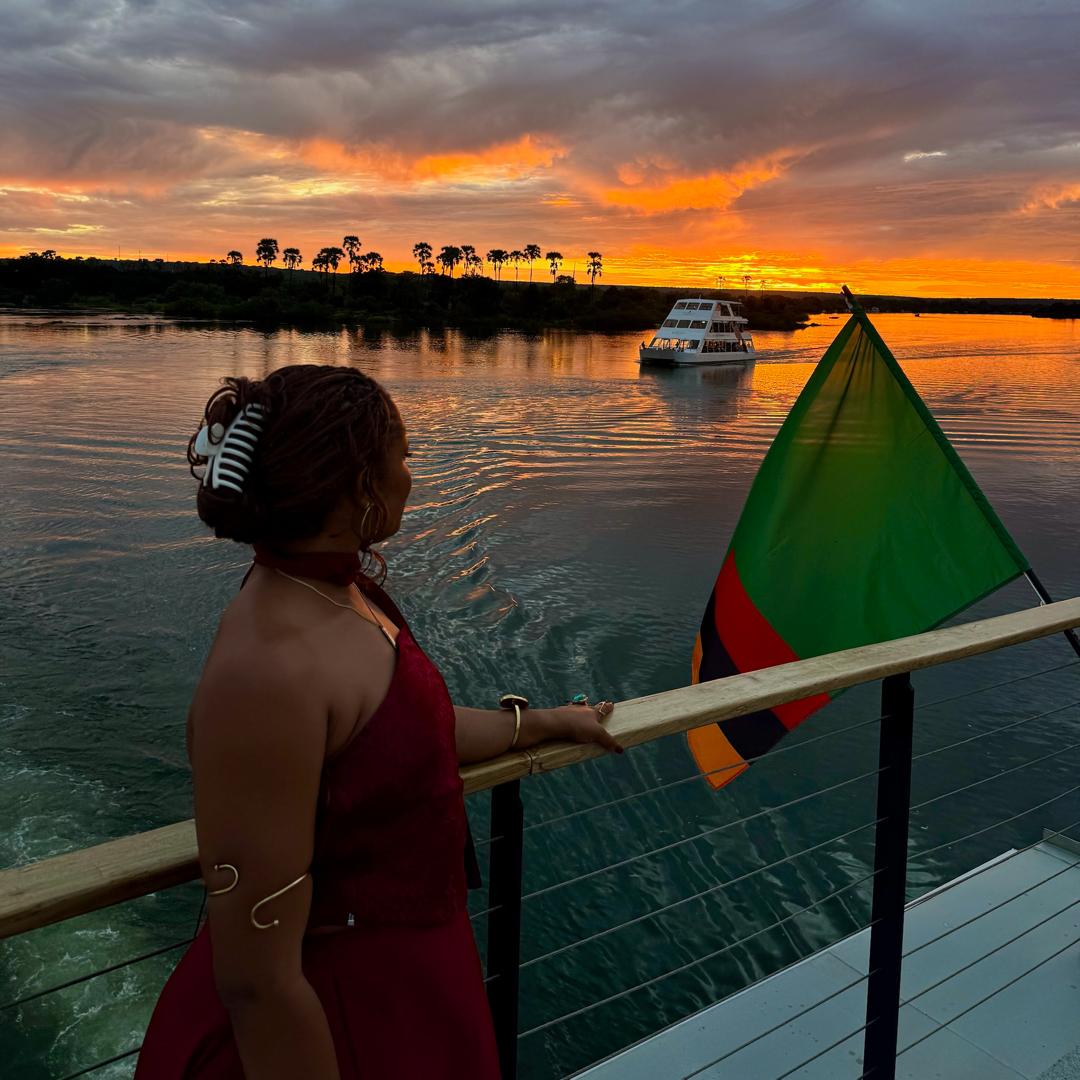
- Sunset cruises on the Zambezi River
- Day trips to Chobe National Park (Botswana)
- Safari rides
- Helicopter flights over the Falls
- Ziplining over the gorges
- Local markets and craft villages

2. South Luangwa (Mfuwe)
Further east is Mfuwe, one of Africa’s greatest wildlife regions. If you’ve heard of walking safaris, they started here. Mfuwe is the gateway town, and the entire region is a safari lover’s dream. Here you’ll find leopards, elephants, lions, giraffes, and some of the most beautiful lodges in the country.
Major attractions include:
- South Luangwa National Park
- Walking safaris
- Night game drives
- Intimate luxury lodges
- Wildlife along the Luangwa River
3. Lower Zambezi
In the south are the calm, quiet, and incredibly scenic towns of the Lower Zambezi. This area sits along the river directly opposite Zimbabwe’s Mana Pools, creating a massive wildlife corridor. Canoeing here is magical, and many lodges offer riverfront views where animals wander freely across.
Major attractions include:
- Lower Zambezi National Park
- Canoe safaris
- Fishing (especially tiger fish)
- Luxury river lodges
4. Lusaka
If you want to enjoy both culture and convenience, Lusaka is the country’s energetic capital with good restaurants, craft markets, and easy connections to other parts of Zambia. It’s a great place to settle in before your journey or spend a day exploring urban culture before moving to other cities to explore nature.
Major attractions include:
- Malls and restaurants
- Lusaka National Museum
- Lusaka National Park
- Kabwata Cultural Village for local crafts
- Kalimba Reptile Park
- Short getaways to nearby farms and wildlife reserves
Why Zambia Makes Multi-Country Travel Easy
One of Zambia’s biggest advantages is its location. It gives you access to one of the most interconnected travel regions in Southern Africa. Livingstone sits at a natural crossroads where Zambia, Zimbabwe, and Botswana meet, and all three countries share the same river systems and wildlife corridors. This makes it incredibly easy to explore multiple countries in one trip without overwhelming yourself. This is hard to find elsewhere in Africa.
- This region is uniquely connected:
- Zimbabwe is a short bridge away.
- Botswana’s Chobe National Park is just an hour’s drive and a quick boat crossing.
- The Zambezi River itself forms part of these natural borders.
So if you’re hoping to do a multi-country circuit in this part of Southern Africa without stressing yourself out, Zambia is a great place to start. However, there are some intricacies involved, especially if you’re visiting from Nigeria. Many Western tourists simply use the KAZA Univisa, which is a special visa that lets them move easily between Zambia and Zimbabwe, with limited access into Botswana for certain day trips (find the list of qualifying countries here).


Unfortunately, Nigerians and most other African travellers don’t qualify for it. If you plan to explore beyond Zambia, keep in mind that you’ll need a Zimbabwe e-visa that must be applied for well in advance and a separate visa for Botswana (which you can get right at the border). Remember to hold cash, as card payments may not always be accepted at land borders or the airport. Immigration officers may ask for hotel or lodge confirmations and proof of onward or return travel, so have these documents ready.
With Zambia as your base, you can see Victoria Falls from both the Zambian and Zimbabwean sides, do a Chobe safari, and enjoy the Zambezi, all without long travel days.
What to Eat & Drink
Food
- Nshima – Zambia’s staple dish, similar to swallow, served with vegetables, meat, chicken, or fish. Simple, filling, and very much part of the local identity.
- Grilled tilapia – Often caught fresh from local rivers and served whole. The seasoning is light, letting the natural flavor shine.
- Village chicken – Flavorful with a firm texture, usually served with vegetables and a side of stew.
- T-bone and beef dishes – Zambia has excellent beef, and many restaurants serve generous portions of expertly grilled cuts.
Drinks
- Mosi Lager – Zambia’s national beer, light and refreshing.
- Local ginger drinks – Strong, sweet, and slightly spicy.
- Bottled water – Always recommended for travellers.
Practical & Safety Tips for Nigerian Travellers
Travel Insurance
Travelling to Zambia is generally smooth, but a little preparation goes a long way, especially if you’re coming from Nigeria and unfamiliar with how Southern Africa operates. Start with travel insurance. No one sets out expecting problems, but insurance gives you peace of mind if you fall sick, miss a flight, or have bags misplaced. Healthcare in Zambia is decent in major cities, but private clinics can be expensive, so having insurance in your back pocket keeps you protected.
Currency
Money works a bit differently here. Zambia uses the kwacha, and while card payments are common in larger restaurants, hotels, and grocery stores, many small businesses still prefer cash. It helps to arrive with dollars, which you can exchange for a better rate in town rather than at the airport. ATMs are available in major cities, but network fluctuations can make withdrawals frustrating on busy days. Keeping some smaller kwacha notes with you will make buying snacks, market items, or paying for taxis much easier.
If you have M-Pesa, you’ve saved yourself a lot of stress with payment. Most vendors will accept M-Pesa payments.
Language
English is the official language, and it’s widely spoken across the country, so communication won’t be an issue. What you might notice, though, are local greetings and expressions in Bemba, Nyanja, and Tonga, depending on where you are. Learning simple phrases like “Muli shani?” (How are you?) or “Zikomo” (Thank you) brings smiles instantly and often breaks the ice with locals.
Transportation
Getting around is straightforward once you know what to expect. In Lusaka and Livingstone, taxis are the most reliable option. They aren’t metered, so you’ll need to agree on the fare before you hop in. In Livingstone, most tour operators also offer pickup and drop-off options.
Rideshare options like Yango and Ulendo operate in Lusaka, making movement easier if you prefer app-based transport. Intercity buses connect major towns and tourist areas, but they can be slow, so plan travel times accordingly, especially if you’re catching a flight.


Safety Tips
When it comes to safety, Zambia is one of the calmer countries in the region, but sensible precautions still apply. Keep your phone and small valuables out of sight when moving around crowded areas, especially bus stations and local markets. If you’re exploring after dark, stick to well-lit streets and use trusted transport rather than walking long distances. Zambia is friendly, but like anywhere else, it pays to stay aware of your surroundings.
Finally, always double-check your accommodation choices before you book, especially in Livingstone. Some lodges advertise themselves as being “in Livingstone” when they’re actually 20–40 minutes outside the town, often in more isolated areas near the river. This isn’t a problem if you’re going specifically for a riverfront lodge experience, but if you want to be close to restaurants, markets, and activities, it’s better to stay within central Livingstone. A few minutes of research saves you from unnecessary transport costs and keeps your trip comfortable. Also, verify tour operators, especially for river activities.
Final Thoughts
Zambia has a rare way of combining nature, adventure, wildlife, and calmness. You can watch the sunrise over the Zambezi, spend your afternoon at Victoria Falls, enjoy dinner under the stars, and meet some of the kindest people along the way.
This simple Zambia travel guide will help you experience the country in a way that is easy, enjoyable, and memorable, especially if you’re visiting for the first time.
Interested in a trip to Zambia? We’re planning a group trip in May 2026. You can sign up here, or if you can’t wait, we’re available all year round to plan a private experience designed around your budget and travel style. Book a private trip here.
Leave a Reply