Your cart is currently empty!
Slow Travel in Africa: What Remote Work Really Looks Like
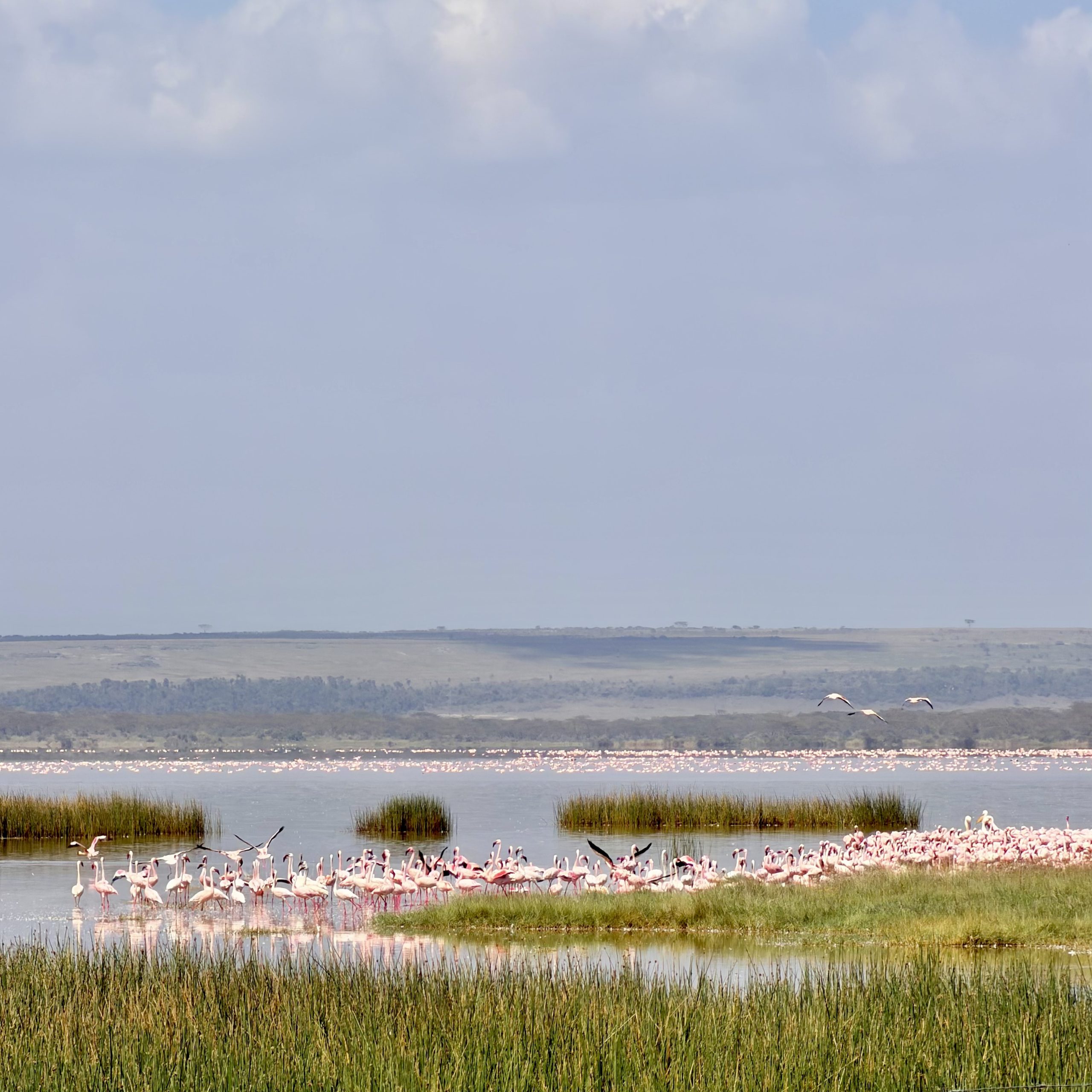
I just came back from the most blissful retreat to open the year. Pink flamingoes right outside my lakeside cabin deck, slow beach mornings, and still really good Wi Fi to sneak in some work. It felt like the perfect reminder that life does not have to be paused for productivity and that building a life can happen alongside actually living it.

I have experienced both ends of the travel spectrum. I have done the usual seven-day rush through itinerary, moving quickly from one highlight to the next, and I have also done a slow two-month road trip across a single city, learning its rhythms, frustrations, and quiet joys. I can say this with certainty. Slow travel changes you in a way that goes far beyond scratching the surface. It reshapes how you relate to time, to place, and to yourself.
This is why we organise mostly slow trips. Year in, year out, travellers say the same thing when a trip ends.
“This trip changed my life.”

What is even more telling is what follows. For first-time travellers, especially remote workers and entrepreneurs, that moment often becomes a turning point. It is when they begin to question how they are using their freedom. They start to imagine exploring other countries, discovering what they actually enjoy, and rethinking what a well-lived life could look like. After all, life is for the living.
People now call this digital nomad life. And technically, yes, I work remotely, and I travel. But that label has never fully fit, especially within Africa. Not many countries on the continent have clear digital nomad visas, and the global mobility system remains deeply discriminatory, particularly towards Africans with less earning power. The truth is simple. These systems were not designed with us in mind, and navigating them requires far more intention and realism than glossy online narratives suggest.
What I practise, and what has kept me grounded, is slow travel. It looks like staying longer in one place, moving intentionally instead of constantly, and choosing environments that support my actual life and interests. It also means building a temporary home within the systems that exist, learning how things work locally, and allowing myself to belong for a while. This is what remote work in Africa has actually looked like for me.


What Slow Travel in Africa Really Means
Slow travel, for me, is not about luxury, and it is not about leisure. It is about working while being immersed in new environments, paying bills because I live there for now, and showing up to ordinary days in unfamiliar places. It is waking up on a random Tuesday and walking to a favourite local vendor for groceries, knowing where the Wi Fi works best, and being aware of how long I am allowed to stay before a visa runs out. It is the practical, unglamorous side of mobility that rarely makes it into aspirational content. I’m really just like
In many ways, it is what people mean when they say digital nomad, but with more intention and far more realism, especially in Africa. On this continent, connection cannot be rushed. Relationships, systems, and even your own sense of grounding take time. If you try to move too fast, the place simply will not meet you halfway.
The Reality of Remote Work in Africa
Online, remote work is often presented as effortless. A good view, a good outfit, and a laptop nearby seem to be all that is required. The reality is much quieter and far more layered. It involves planning for internet backups, learning how much things actually cost once you stop passing through, and realising that beauty alone does not guarantee functionality.
I have loved places deeply and still knew they were not somewhere I could stay long term. I have also stayed in places that were not immediately exciting but slowly became grounding as routines formed and familiarity grew. Slow travel teaches you to choose fit over fantasy and to prioritise sustainability over spectacle.
Choosing the Right Base for Remote Work in Africa
After living and working across different parts of the continent, I have learned that certain factors matter far more than aesthetics. How long you can legally stay shapes everything, because short stays create pressure while longer stays allow rhythm and stability to form. Cost of living goes far beyond rent and extends into food, transport, short lets, coworking spaces, and everyday movement. These are the areas where budgets are truly tested.
The Internet does not need to be perfect, but it does need to be dependable enough to support your work without constant stress. People and routine also matter more than most first-time remote workers expect. Even if you love your own company, isolation eventually shows up if you do not build some form of community. How you feel after a few weeks is far more telling than how you feel on day three, because novelty always fades. Once I started choosing places with these realities in mind, everything changed.


Why Slow Travel Works So Well in Africa
Africa is not one place, and it never will be. That diversity is what makes slow travel here powerful. I have worked from coastal towns, capital cities, islands, and places where time feels different altogether. What stays with me is not the scenery, but the way certain places quietly pull you back.
Africa rewards those who slow down, listen, and stay. At the same time, it asks more of you. You cannot approach remote work here the same way you might approach Europe or Southeast Asia. It works best when it is intentional, respectful, and unhurried, and when you are willing to adapt rather than impose expectations.


Common Mistakes First-Time Remote Workers Make in Africa
I did not get everything right from the start. I moved too fast at times, chose places for how they looked rather than how they felt to live in, and underestimated how draining constant movement could be. I also confused freedom with having no structure, assuming that flexibility meant a lack of routine, and I definitely was not prepared for how expensive life could get.
Slow travel taught me that structure is not the enemy of freedom. In fact, it is what makes this lifestyle sustainable and liveable over time.
Why I Created the Slow Travel in Africa Guide
Over time, I kept getting the same questions. Where do I start? How much money do I really need? Which African countries actually work for longer stays? What about visas, safety, and everyday life? I realised there was no guide that spoke honestly about remote work in Africa, one rooted in lived experience rather than trends or aesthetics.
So I created one. Not to sell an idea of escape, but to offer clarity and help you move with intention and awareness.
A Final Thought on Slow Travel and Remote Work
Slow travel has taught me that movement does not have to feel unstable. You can build a life that moves with you, gently and thoughtfully, on your own terms. That is what remote work in Africa has given me, and it is what I hope this guide helps others find too.


Leave a Reply